Main Sponsors
-
 Reiso Pécs
 -
 Hotel Lycium****
 -
 Pécs ZOO
 -
 http://www.mecsekegyesulet.hu/
 -
 Doro Ékszer
 -
 Hetényi Pincészet
 -
 Zsályaliget Élménypark
 -
 Fabrik Barkács Szaküzlet
 -
 Katica tanya
 -
 E.ON Hungary
 -
 http://www.ipark-pecs.hu/
 -
 https://www.otpbank.hu/otpklub/Fooldal
 -
 http://www.pecsibalett.hu/hindex.html
 -
 www.lakics.hu
 -
 Gépszer
 -
 http://www.kormany.hu/hu/emberi-eroforrasok-miniszteriuma
 -
 http://www.pnsz.hu/
 -
 http://www.pecs.hu/
 -
 Mischl Autóház
 -
 Öko-Trade Ltd
 -
 Bóly and Vicinity Savings Bank
 -
 Mecsekerdő Forestry Ltd
 -
 http://www.deltakarek.hu/
 -
 University of Pécs
 -
 http://kloe.hu/
 -
 http://www.lafarge.hu/
 -
 http://www.gondoldo.hu/


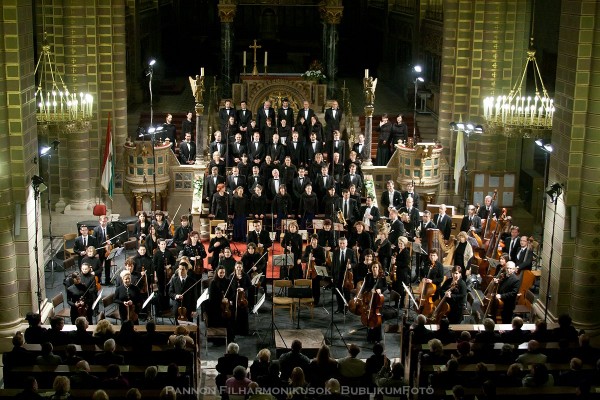
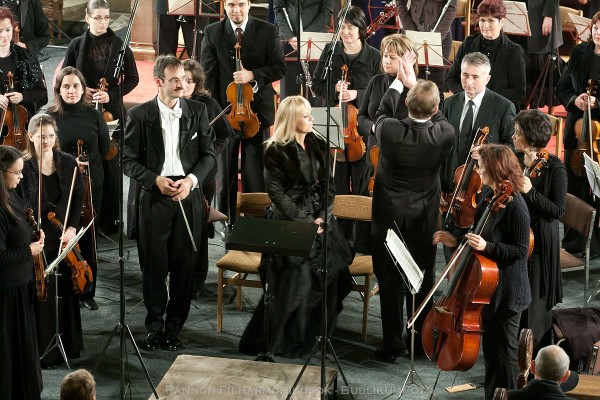
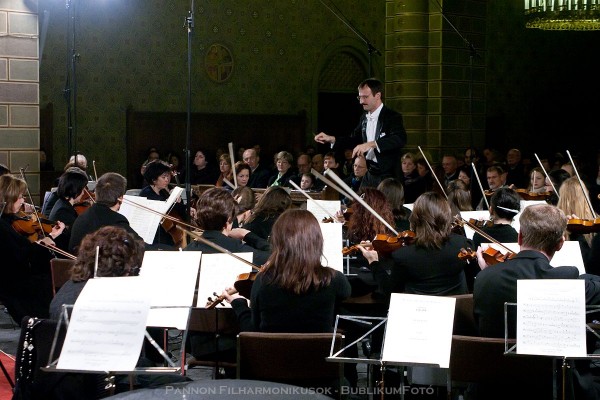
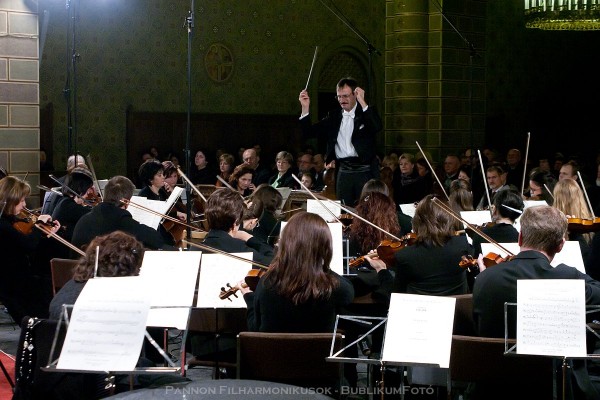
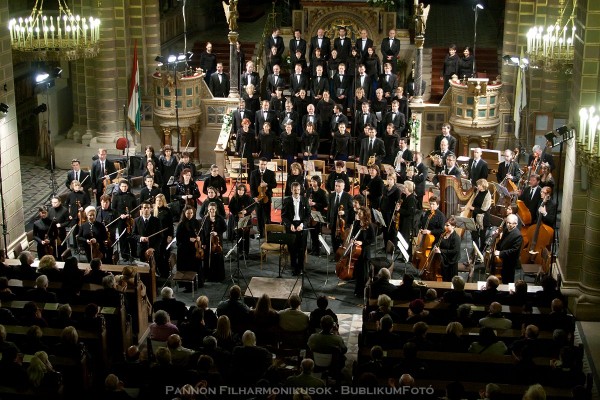
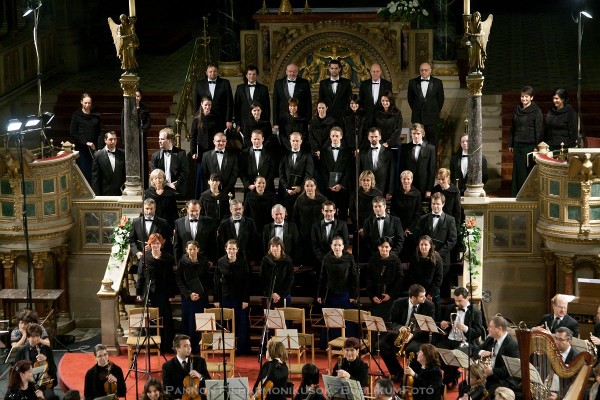
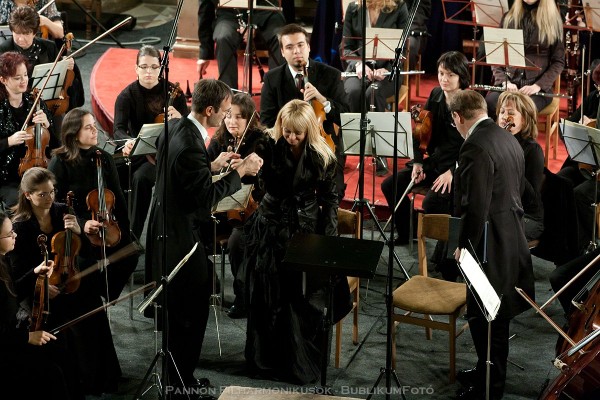
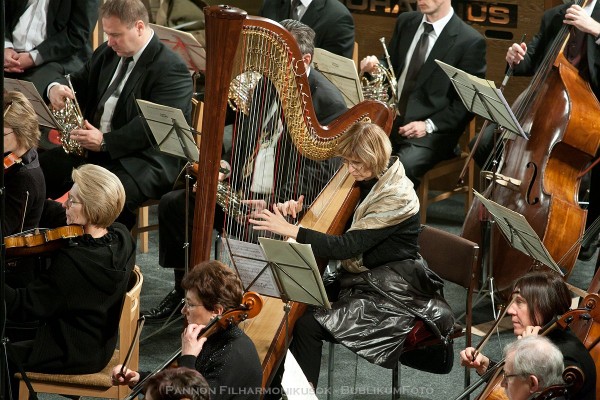
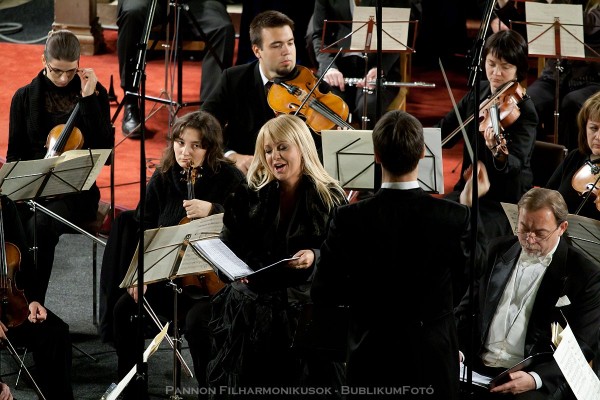
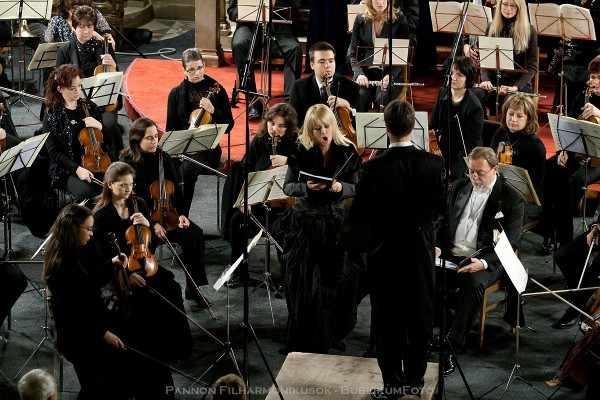
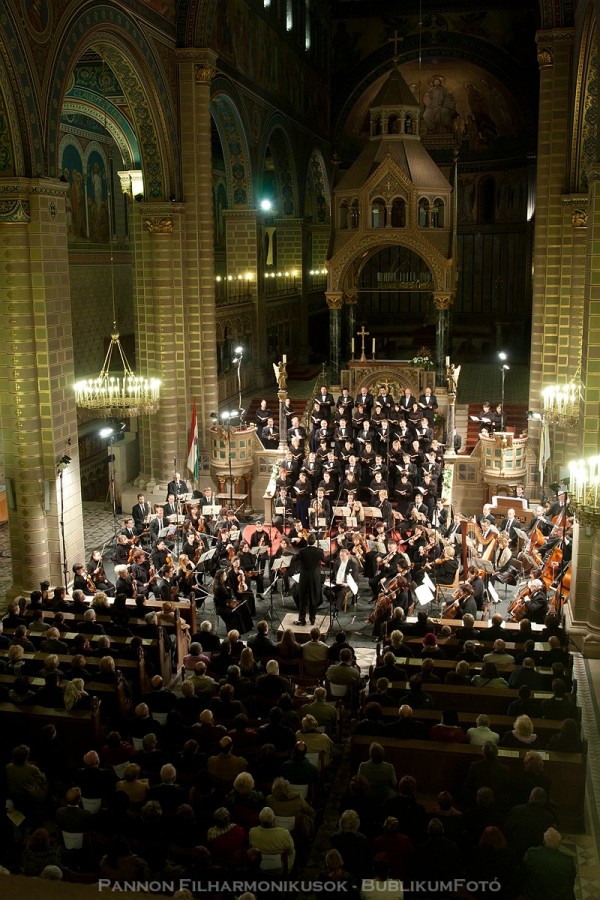
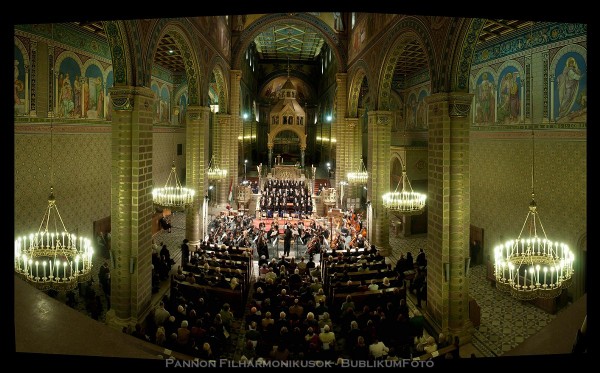
All Hallows’ Day Concert
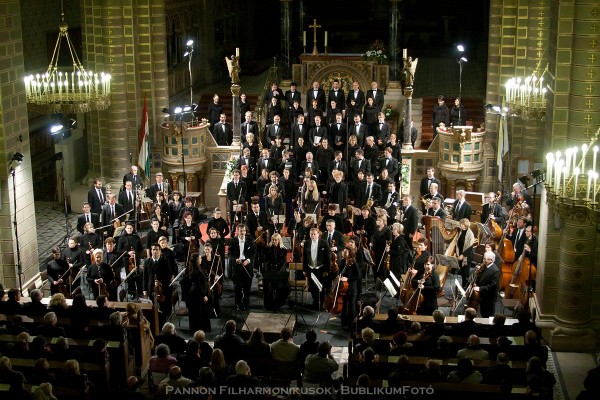
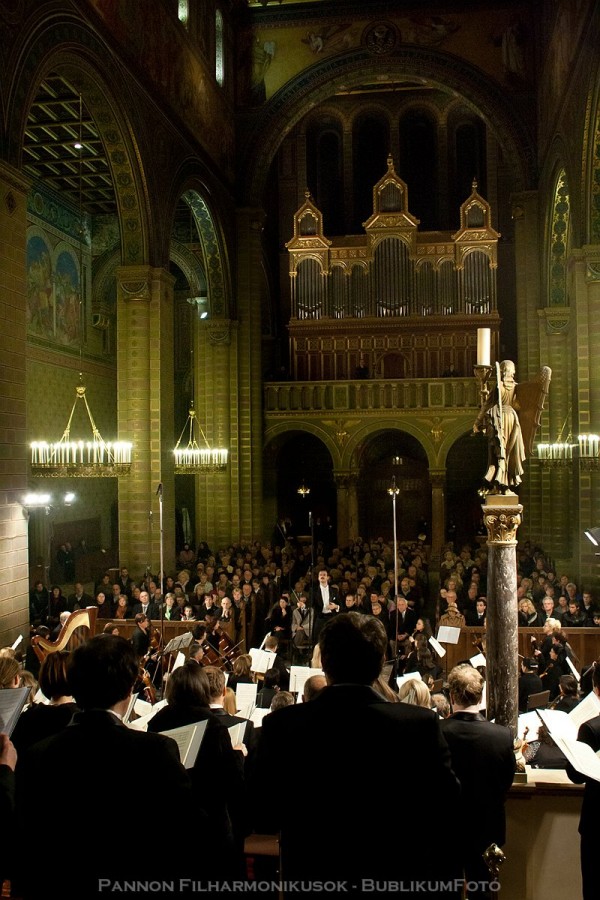
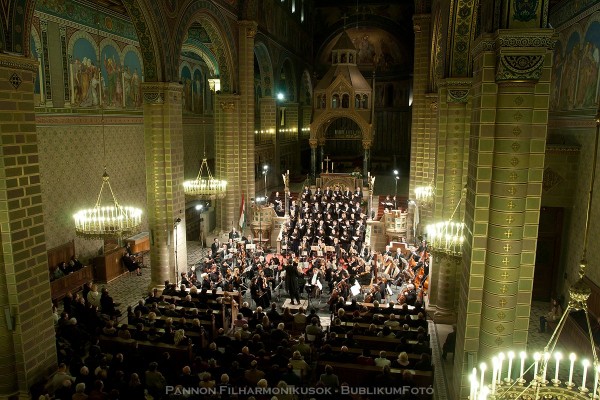
31 Oct 2011. 19:30 | Cathedral of Pécs
Oratorio Season ticket 2011/2012 |
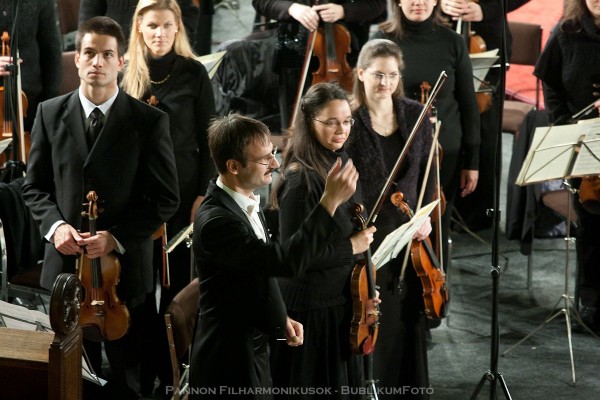
Orchestra
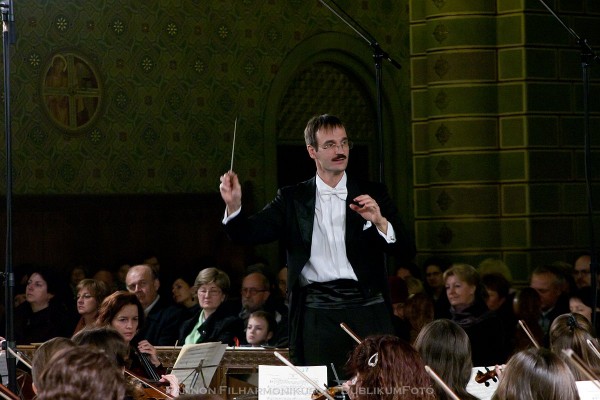
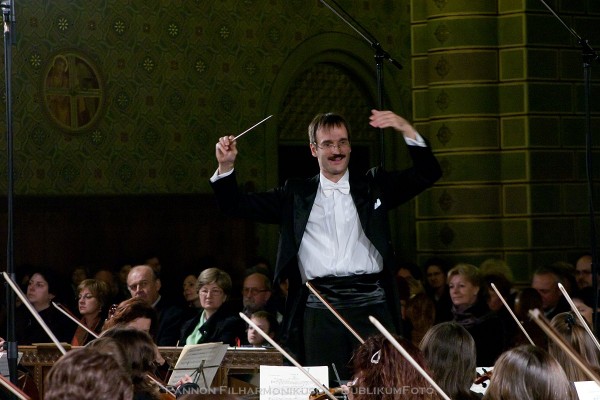
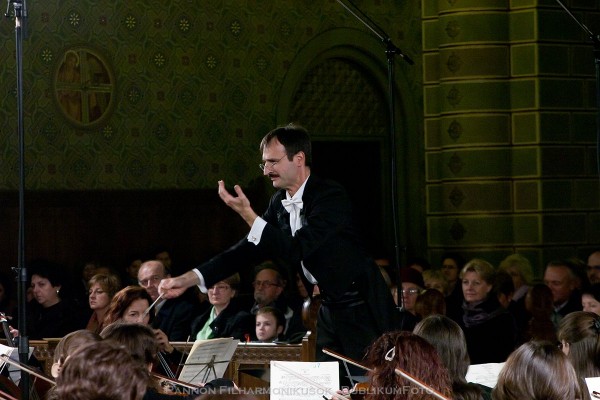
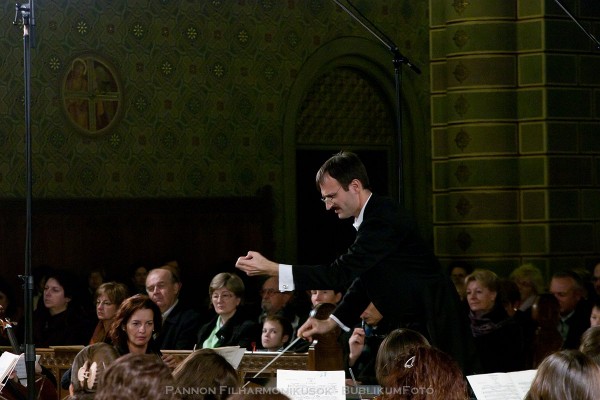
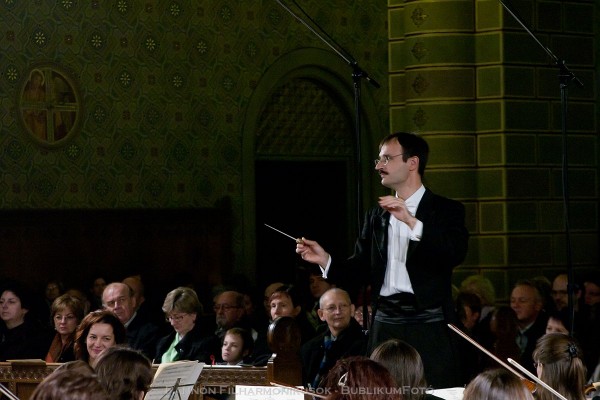
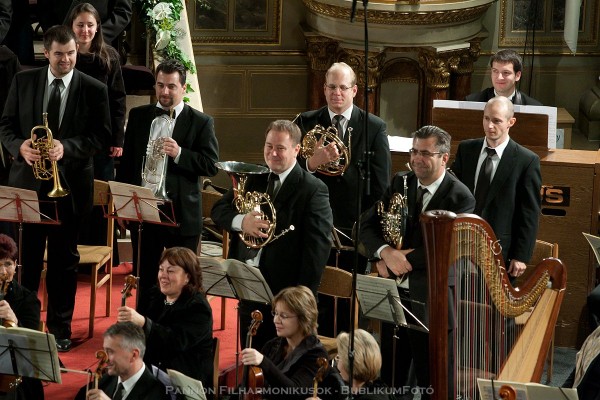
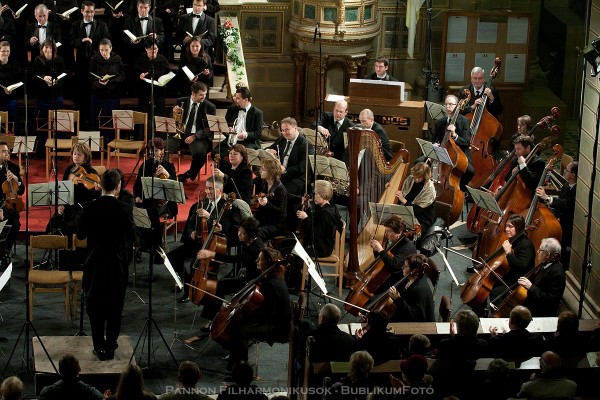
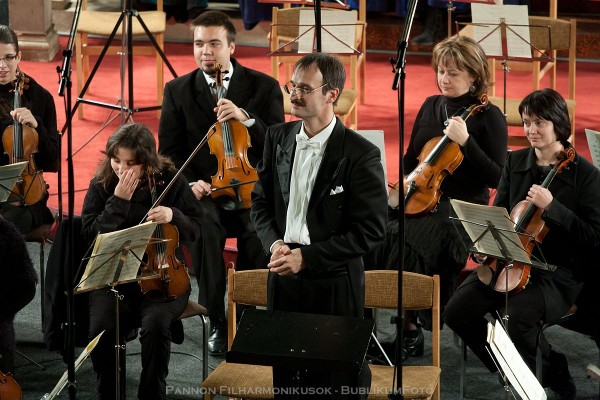
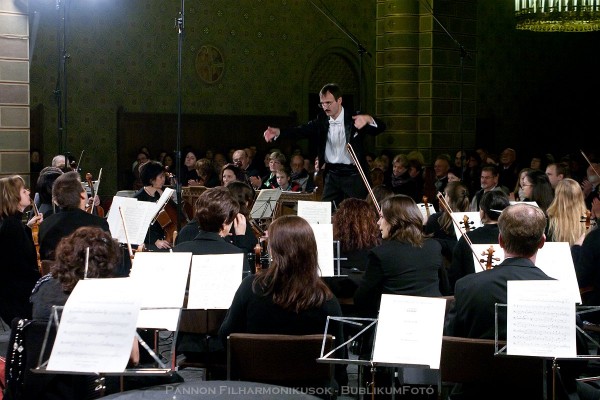
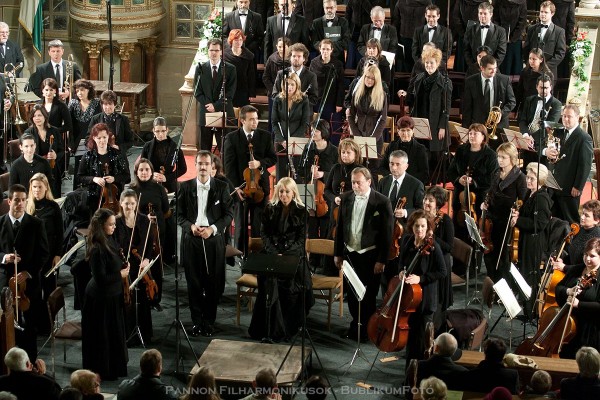
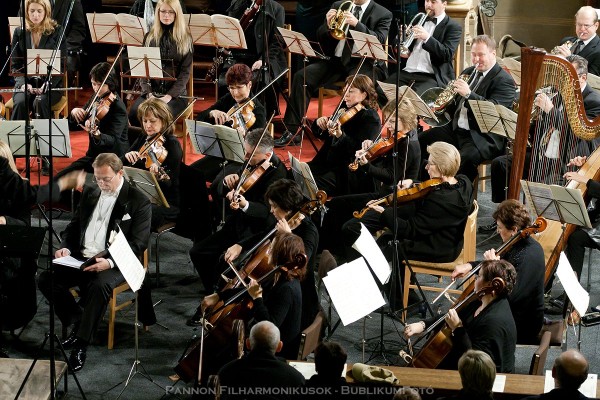
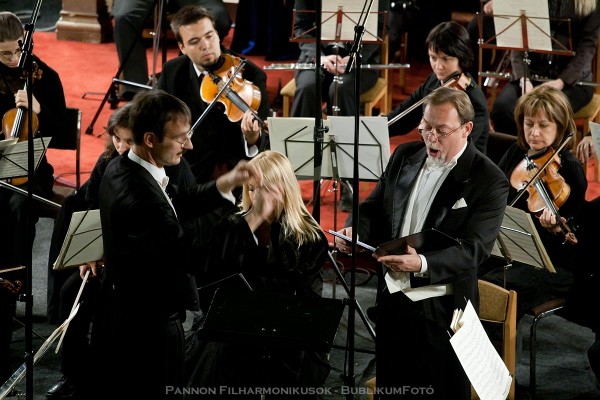
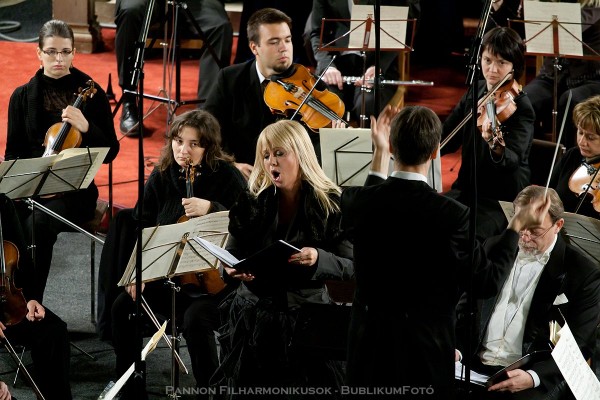
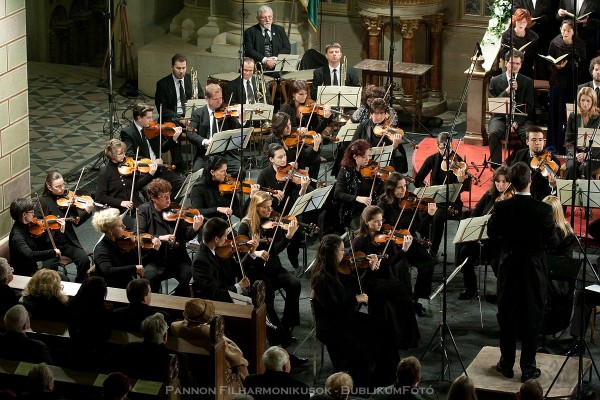
Pannon Philharmonic OrchestraConductor
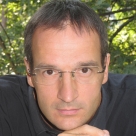
Gergely Ménesi
Soloist

Tímea Vermes
soprano

István Rácz
bass

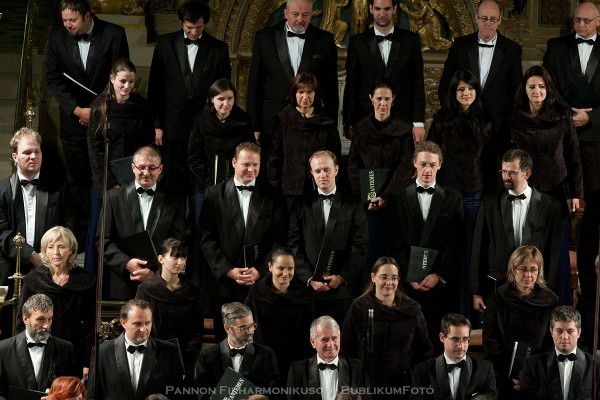
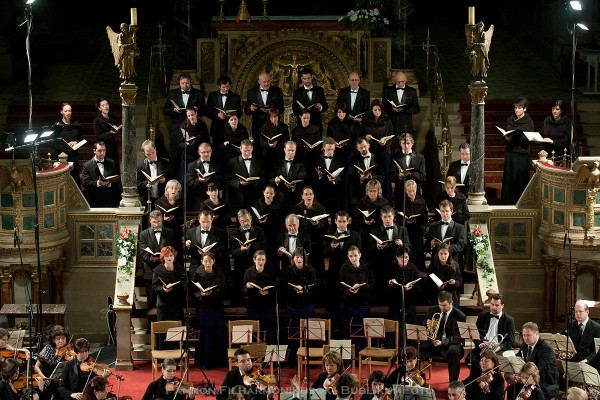
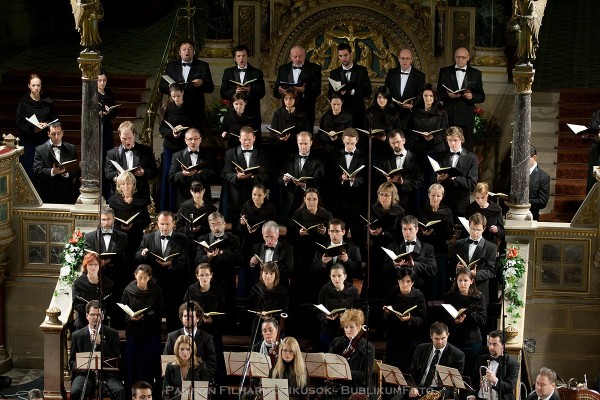
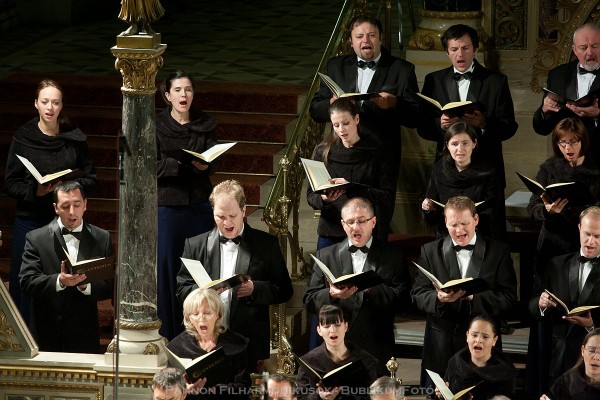
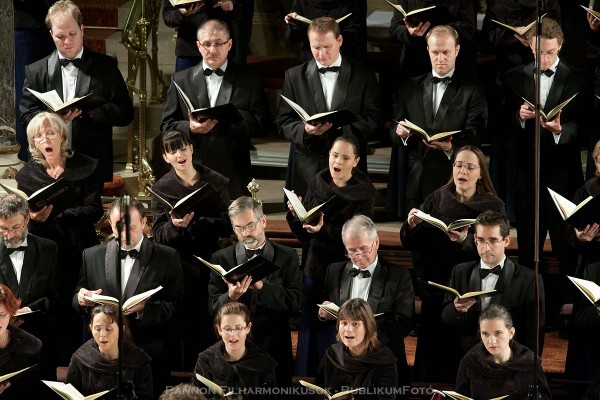
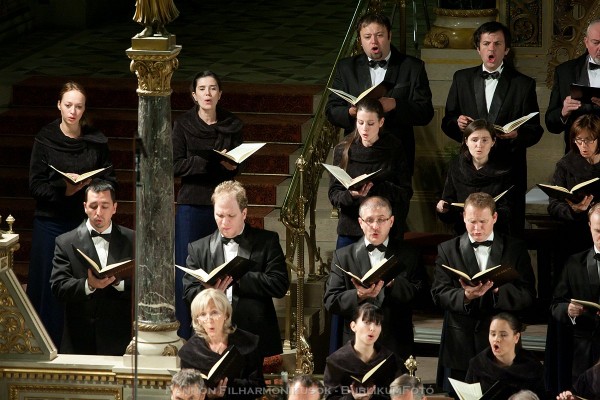
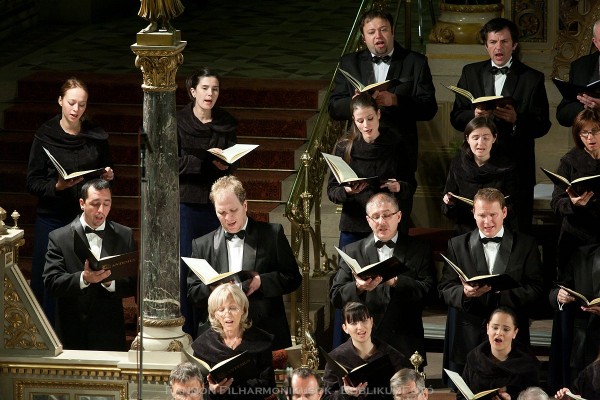
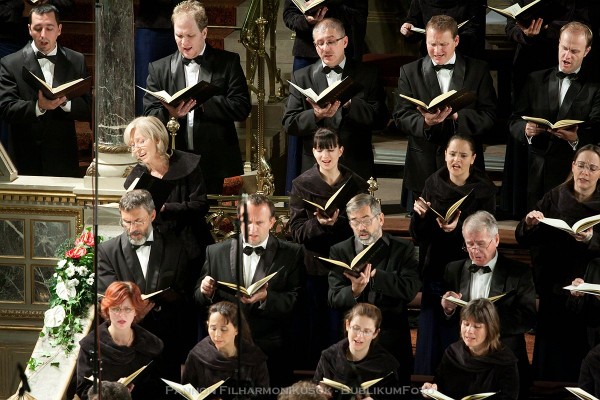
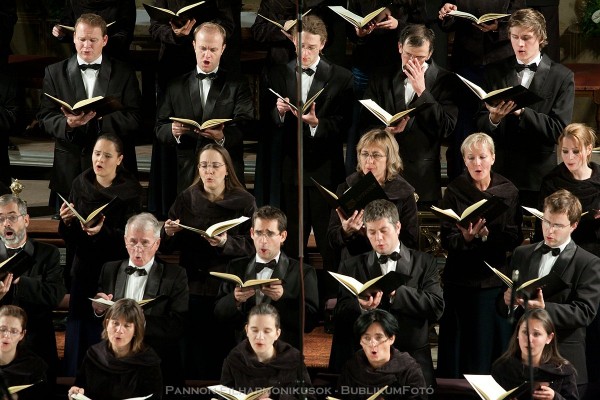
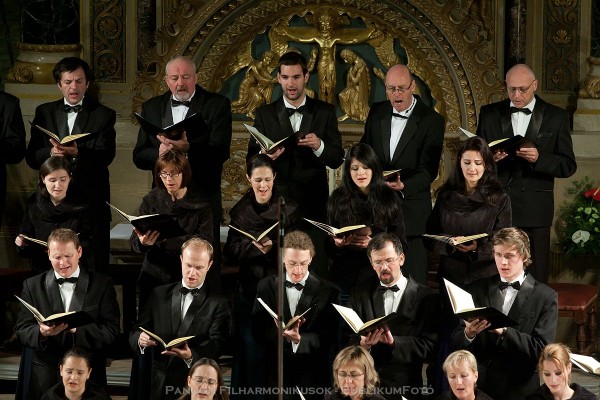
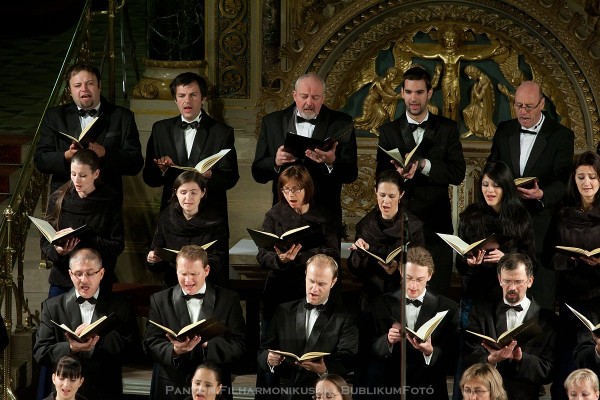
Cantemus Choir
About the Programme
Program:
- Albinoni: Adagio
- Fauré: Requiem
- Mahler: Adagietto
The Adagio that is attributed to Tommaso Albinoni belongs to the baroque master just in a fragment, in deed. A 20th-century musicologist, Remo Giazotto might have composed the work, based on the quite short bass-part of the Albinoni-trio sonata (op.4), dated to 1708. But for the audience, it remains the “eternal” Albinoni Adagio – devout, wonderful, and never-boring.
There have been several guesses about the purpose of the composition of Gabriel Fauré’s Requiem. His own statement: "I just wrote it... for fun, if I may say so.” Against the unusual mood of the funeral masses, this work doesn’t implies the frightening closeness of the passing-away and the presence of pain – perhaps because of the lack of musically apocalyptical pictures; it could be rather the cradle song of death.
The Adagietto is inevitably the most popular movement of Gustav Mahler’s Symphony No.5; “it can live without” the symphony, too. Mahler’s simple idea that he paired the string orchestra with a harp resulted a sound incomparable with anything before and later. The audience can close their eyes and devote themselves to music.